Effective comm's tip
How to prepare for ad hoc interviews
Bram Smets · 9 October 2026
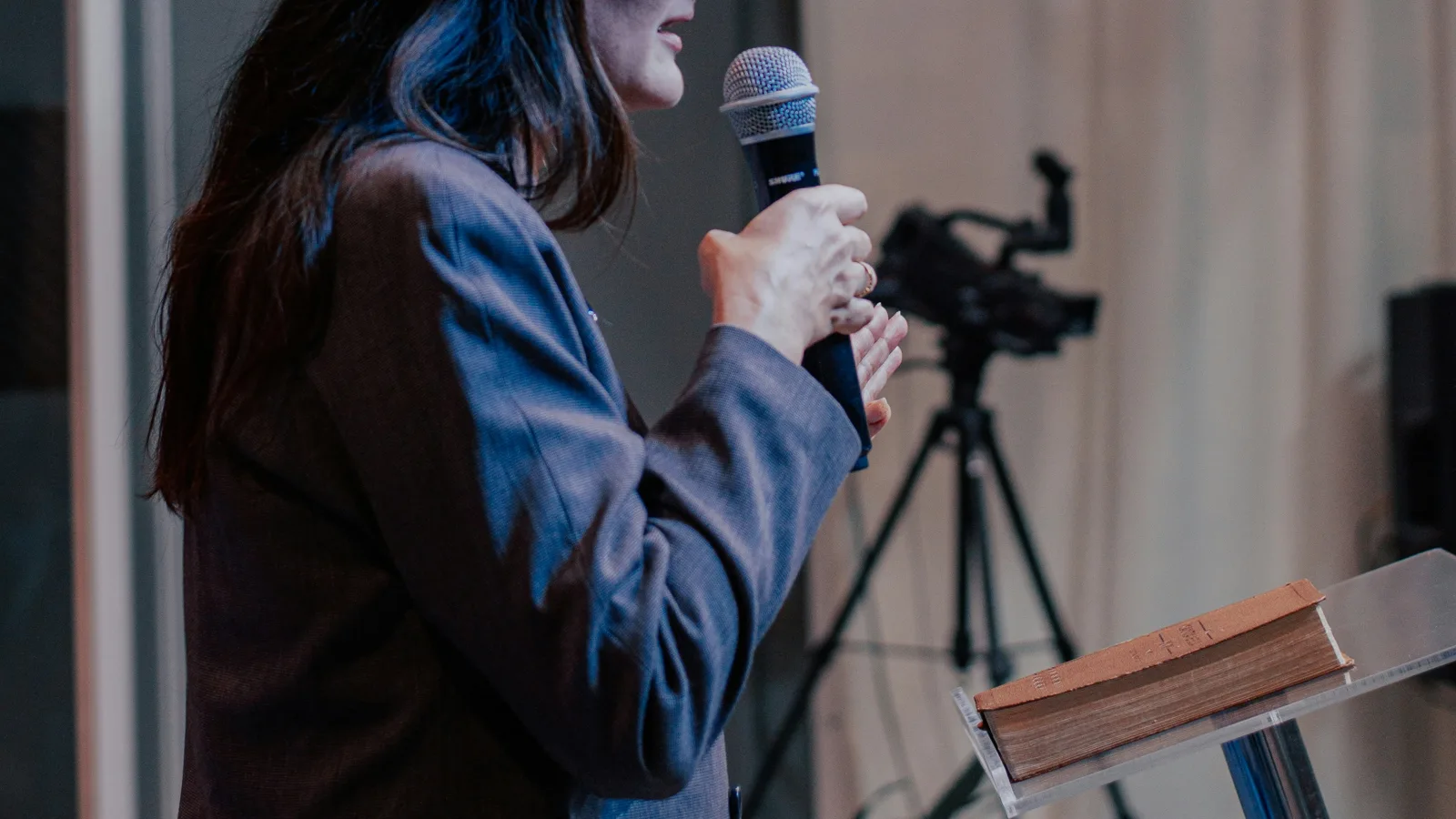
An ad hoc interview comes at short notice: a journalist calls and invites you onto the radio in 30 minutes. That feels like no time at all, but it's enough. We advise never to conduct an interview unprepared. But ten calm minutes of preparation take you from improvising to steering.
Before you say yes
Ask yourself two questions before you agree.
- Am I the right person for this interview? If a colleague is closer to the subject or carries more authority on it, point the journalist their way.
- Is this a win-win? The journalist gets a story. Make sure the conversation also gives you something: a chance to land a message that matters to your audience.
Preparation also starts long before the microphone appears. Think like an athlete: stay up to date and test yourself regularly. Ask yourself what you would say if someone interviewed you about this topic today. The more you practice, the more natural an unplanned interview feels.
The 10-minute preparation
Find a quiet spot and ask for ten minutes before you start. Spend them like this:
| Minutes | What to do |
|---|---|
| 0–1 | Context. What's the angle? Live or recorded? Who else is being interviewed? What's the deadline? |
| 1–2 | Know, feel, do. One sentence each: what should your audience know, feel and do afterwards? |
| 2–4 | Core message. What, so what, now what, plus a headline (see below). |
| 4–6 | Numbers and examples. Two hard facts, one story, one source. |
| 6–7 | No-go zones. Decide what you won't discuss, and how you'll bridge away from it. |
| 7–9 | Rehearse. Practice answers to the three most difficult questions you can think of. |
| 9–10 | Get calm. Steady yourself and have your closing line ready. |
Your core message in three steps
Keep each step to one sentence.
- What? The fact or situation.
- So what? Why it matters to your audience.
- Now what? What happens next, or what people should do.
Then sum it up in one quotable sentence: the line you'd want to read in tomorrow's paper. That headline is your safety net. If your mind goes blank mid-interview, fall back on it.
During the interview: bridging
You can't control the questions, but you can control where your answers go. The rule is ABC: acknowledge the question, build a bridge, communicate your message. Never lie or dodge. Steer back to your core message instead.
How you bridge depends on the kind of question:
| Type of question | Approach | Opening line |
|---|---|---|
| Answerable | ADD: answer, detail, describe why it matters | "Yes. For example… That matters because…" |
| Beyond your knowledge | Acknowledge the gap, say what you do know | "I don't have those figures here. What I can say is…" |
| Off-limits | Point to policy or give a reason | "Our policy is not to comment on that." |
| Too narrow, or a trap | Broaden the question | "The bigger question here is…" |
Three bridges work in almost any situation:
- Zoom out. Put the issue in perspective.
- Redirect. "The most important thing to remember is…"
- Reframe. "That's one way of looking at it, but our research shows…"
The last minute: get calm with BOOM
Use the final minute of your preparation to settle your nerves:
- Be present. Focus on this moment, not on what might go wrong.
- Observe your movements. Stand firm and notice any fidgeting.
- Oxygenate. Breathe out twice as long as you breathe in.
- Mantra. "This is about them, not me."
Then remind yourself to dare to be dull. Your job is to be clear, not perfect. A calm, simple answer built on one strong message beats a brilliant one you can't remember.
Related service: Brum Smith Academy: communication and media training